Habilitation Services for Autism offer very important features of support to children and adults. They assist people in the development of life skills. In addition, these services enhance socializing, self-reliance, and self-confidence. In the case of Exceptional Care in Autism, each program is tailored. This leads to tangible progress within the lives of the families. Early intervention guarantees the benefit and growth in the long term. Also, regular therapy provides solid competence bases. It is easy to take the skills learned in sessions into the house. Families become empowered, and individuals prosper. In sum, habilitation services on the subject of autism are critical in fostering independence. They turn the adversities into avenues of effective change.
Individual Habilitation Services for Autism.
Habilitation Services for Autism involve practical and daily skills. As an example, clients are taught communication, social, and self-care skills. In addition, organized programs secure uniform progress. Our professionals work together with families in order to approve plans. As a result, every person can experience quantifiable development and self-confidence. Moreover, positive reinforcement and repetition improve learning. It is easy to transfer skills into real life. Benefits are long-term and enhanced by early intervention. This leads to the client becoming independent and the families being supported. In general, individual training sessions would be a perfect complement to the therapy. They guarantee sustainable development and encourage people to live effectively in every kind of place.
In-Home Support for Comfort
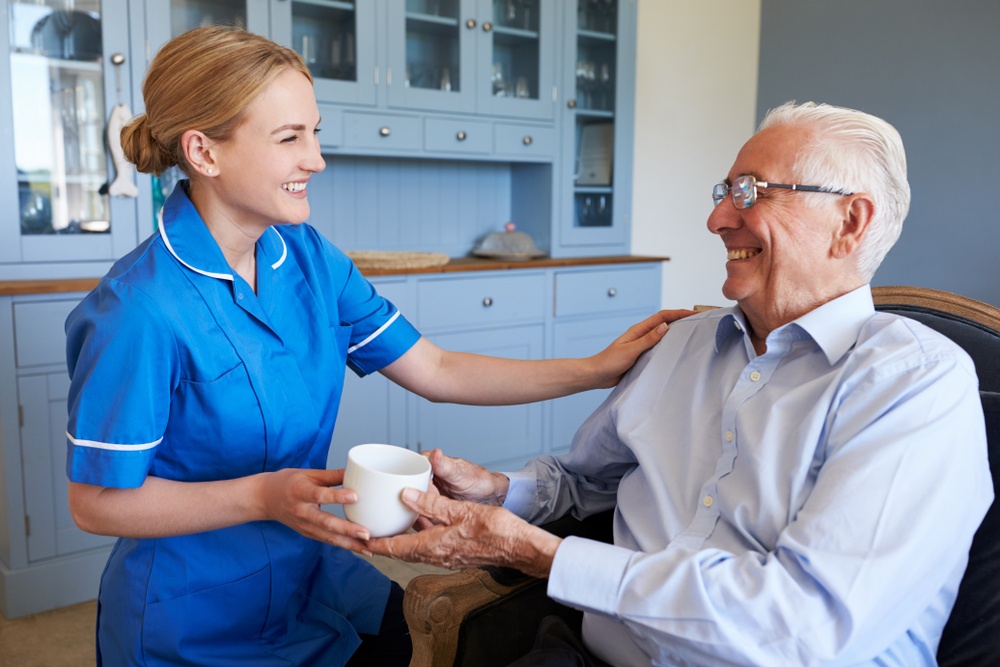
Home care increases familiarity and lessens family stress. In-home palliative care near me is a convenient query that is regularly searchable. In addition, care provided at home enhances routines. Individualized attention is offered by professionals who do not violate personal spaces. As a result, therapy becomes natural and effective. Starting and stopping an activity is simpler when a person is in a well-known environment. Caregivers also adjust practices to suit his or her learning style. Constant evaluation leads to consistent improvement. Families are confident and have a sense of peace. On the whole, home-based care is the most comfortable and facilitates skill growth. It is unlocked, versatile, and efficiently supported.
Habilitation Services for Autism – Family Involvement and Guidance.
Families are the key to the success of habilitation. Caregivers should be including in plans of care to improve effectiveness. In addition, they also train to build skills on a regular basis. It can lessen the stress and better the results through frequent guidance. Thus, people become independent more quickly. Moreover, emotional resilience among caregivers is develop through support. The cooperation will guarantee a smoother transition between therapy and home. Families also develop the confidence to overcome challenges on a day-to-day basis. Formal engagement enhances bonding and favorable development. Besides, regular routine enhances learning memory. In general, the family-centered methods develop comprehensive assistance. They contribute to cell growth, foster trust, and lead to valuable advancement among autistic persons.
Developing Communication and Social Skills.
Independence depends on communication and social methods. These skills are teach step-by-step using the habilitation services. In addition, the roles and rehearsal enhance cognition and engagement. Transition words also aid the process of taking the clients through activities. Families facilitate development through strengthening home skills. As a result, people become self-assured in social contexts. Timely intervention also enhances the basis of communication enormously. Also, structured lessons enhance verbal and non-verbal skills. The personalized programs consider personal needs and issues. On balance, social competencies are the key to superior relationships and increased self-sufficiency. The methods of habilitating autism are aim at establishing meaningful relationships in the form of consistent instructions and practical approaches.
Encouraging the Daily Living Skills.
Activities of daily living make them more independent and self-confident. Habilitation services provide organized services for routine chores. Besides, the clients get to know how to dress, eat, maintain hygiene, and time. It becomes easier to transfer these skills to the home routines. Throughout the continuous monitoring, professionals continually change strategies. They take families on board to enhance learning. Thus, people will be more independent and self-sufficient. Positive reinforcement promotes consistent work and performance. Early intervention is a guarantee of long-term benefits. All in all, overall development depends on daily living skills. Individuals are equip to meet life confidently with their habilitation and training services to enhance the quality of life and personal independence.
Conclusion
Habilitation Services for Autism leaves an enduring impression. They bring together therapy, training, and involvement of the family. In addition, the home-based palliative care around me reinforces the sense of ease and stability. Workers monitor and make changes. Clients, therefore, evolve their skills on a continuous basis. Families become assured and experience actual outcomes. Acclimating the skills to everyday life becomes easier and more gratifying. Also, quantifiable targets make the process motivating and responsible. Generally, autism habilitation services convert weaknesses into strengths. They grant individuals authority to be self-sufficient, assertive and socially fit. With investment in specialized care, the future of children and adults with disabilities will be focused in brighter and more fruitful directions.